
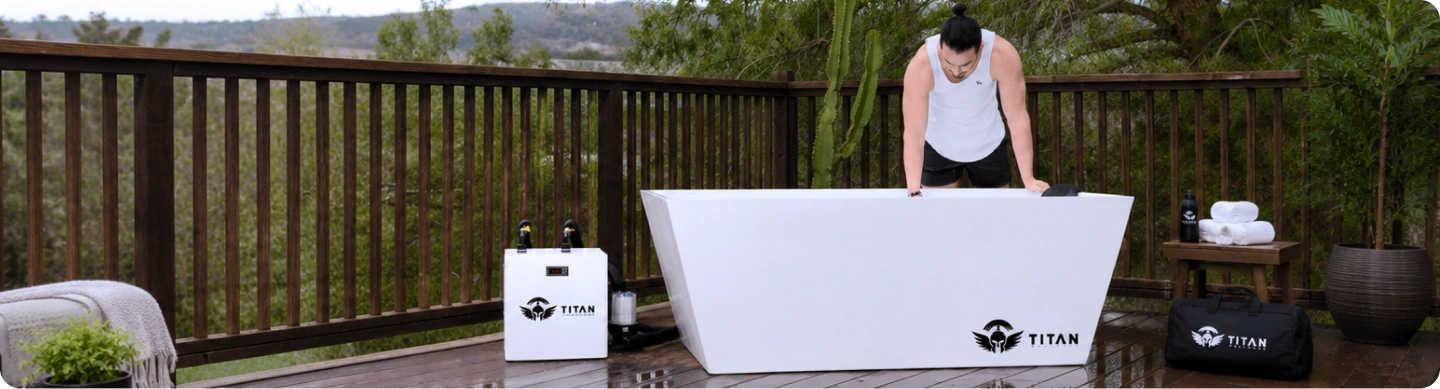
- June 19, 2026
Cold plunge therapy is growing fast. Many people now use it for recovery and energy. But safety matters just as much as results. This guide explains titan cold plunge safety, risks, precautions, and who should avoid it. You will also learn how to use it correctly without putting your body under stress.
Reports show:
- Cold water exposure can drop core body temperature within minutes
- Around 2,500+ 5-star reviews highlight user satisfaction with controlled systems like Titan Wellness
- Over 50,000+ users are now part of structured cold therapy routines worldwide
Brands like Titan Wellness focus on controlled systems to reduce risk. Their Titan Cold Plunge units are designed for stable temperature control and safer recovery use.
If you are new, this guide will help you avoid mistakes and stay safe.
What You Need to Know Before You Plunge
A few years ago, cold plunging looked extreme. Now it’s just part of people’s everyday morning routine. The barrier is gone but the basics still matter. Getting in is easy. Getting in safely is what actually makes the difference. The Titan Cold Plunge is built for controlled, consistent recovery but equipment alone doesn’t make a session safe. Your awareness does. Before you step in, there are a few things every user should understand:
- Cold water can drop your core body temperature within minutes – even in a controlled setting
- Your heart rate, breathing, and blood pressure all respond immediately to cold exposure
- First-time users are most vulnerable – the body needs time to adapt
- Short, consistent sessions always outperform long, intense ones
- Pre-existing health conditions can turn a routine plunge into a serious risk
- Having someone nearby during your first few sessions isn’t overcautious – it’s smart
Over 50,000 users worldwide have built structured cold therapy routines with Titan Wellness and the ones who stick with it long-term all share one thing in common. They respected the process from day one.
How Cold Plunge Affects the Body
Cold water causes immediate changes in your body. Your blood vessels tighten. Your heart rate increases. Your breathing also becomes faster. This is a normal response. But it can feel intense. The Titan Cold Plunge helps regulate exposure so the change is controlled. Still, users must understand limits. Titan Wellness designs systems for steady temperature control. But your body condition matters more than equipment.
People using cold plunges often report:
- Faster muscle recovery
- Reduced soreness
- Improved alertness
But improper use can lead to discomfort or risk.
Cold Plunge Risks and Precautions
Let’s talk clearly about cold plunge risks and precautions. Cold exposure is not dangerous when done correctly. But mistakes can cause issues. Main risks include:
1. Shock to the Body
The moment cold water hits your skin, your body goes into defense mode. Your blood vessels tighten, your heart rate jumps, and your nervous system fires all at once. This is cold shock and it happens fast. It’s not always dangerous, but if you’re unprepared or jumping into very cold water without easing in, it can feel overwhelming and put real stress on your heart.
2. Breathing Difficulty
Those first 30 seconds can catch you completely off guard. Cold water triggers an involuntary gasp reflex, which can spiral into rapid, uncontrolled breathing. Most people calm down once they focus – but first-timers especially need to be aware that this is coming so it doesn’t panic them when it does.
3. Cold Plunge Hypothermia Risk
One minute feels fine. Five minutes feels manageable. But your core temperature is quietly dropping the entire time. Staying in too long especially at lower temperatures can push your body past its safe range. Hypothermia doesn’t always announce itself clearly, which is exactly why session timing matters more than how tough you feel in the moment.
4. Dizziness or Fainting
Pushing past your limit doesn’t make you stronger – it just makes you dizzy. Cold exposure affects blood flow and circulation, and when your body has had enough, it will let you know. Lightheadedness, weakness, or that sudden urge to sit down are all signs to get out immediately, not push through.
The Titan Cold Plunge is designed to reduce risk through controlled temperature. But timing still matters. Titan Wellness recommends gradual adaptation instead of long sessions from day one.
Who Should Not Use a Cold Plunge?
Cold plunge therapy offers real benefits but it’s not for everyone. And that’s okay. Knowing your limits isn’t a weakness, it’s just smart. Certain health conditions can make cold water exposure genuinely risky, and no recovery goal is worth putting your health on the line.
Avoid cold plunging or speak to your doctor first if any of the following apply to you:
- Serious Heart Conditions – Cold water puts immediate stress on your cardiovascular system. If your heart is already under strain, that extra load can be dangerous.
- Uncontrolled High Blood Pressure – Cold exposure causes blood pressure to spike quickly. If yours is already high and unmanaged, this can push it into a risky range fast.
- Respiratory Issues – Conditions like asthma make the involuntary gasp reflex even harder to control. Cold air and water together can trigger serious breathing difficulty.
- Pregnancy – Cold plunging during pregnancy has not been proven safe. Until there is clearer guidance, it’s best to avoid it entirely and consult your doctor.
- Raynaud’s Disease – This condition already restricts blood flow to your extremities in the cold. A cold plunge can make that significantly worse and cause real discomfort or injury.
- A History of Seizures or Fainting – If your body has a history of shutting down under stress, cold shock is not something to experiment with alone or unprepared.
- Recent Illness, Infection, or Surgery – Your body is already working hard to heal. Adding cold stress on top of recovery can slow things down or cause complications.
- Diabetes with Poor Circulation – Reduced sensation in your limbs means you may not notice numbness or tissue damage setting in during a session.
- Extreme Sensitivity to Cold – If even mild cold causes you significant discomfort or unusual reactions, listen to that signal. Your body is telling you something.
- Elderly or Very Young Users – Both groups have a harder time regulating body temperature. Sessions should be shorter, warmer, and always supervised.
Titan Wellness always puts health first. If you fall into any of these categories, please consult your doctor before using any Titan Cold Plunge system. The goal is recovery – not risk.
How Long Is It Safe to Stay in a Cold Plunge?
Timing is everything. Most safe sessions are:
- Beginners: 1-2 minutes
- Regular users: 3-5 minutes
- Advanced users: up to 10 minutes (only if adapted)
Going beyond this increases cold plunge side effects like numbness or dizziness.
The Titan Cold Plunge allows controlled temperature settings so users can adjust gradually.
Titan Wellness recommends short, consistent sessions instead of long exposure.
Cold Plunge Side Effects You Should Know
Cold therapy is safe when used properly. But side effects can happen.
Common cold plunge side effects include:
- Tingling in fingers and toes
- Temporary numbness
- Fast heartbeat
- Mild headache after exit
These are usually short-term.
But ignoring limits increases the risk of:
- Hypothermia
- Extreme fatigue
- Blood pressure spikes
Using Titan Wellness systems reduces unpredictable temperature shifts. The Titan Cold Plunge helps maintain stable conditions.
Titan Cold Plunge Precautions for Safe Use
Here are simple Titan Wellness cold plunge precautions you should follow:
- Start with short sessions
- Never enter alone if you are new
- Keep water temperature controlled
- Do not push through pain
- Warm up your body after exiting
The Titan Cold Plunge is built for controlled use, but discipline matters more than design.
Titan Wellness also suggests tracking your response over time. Your tolerance improves gradually.
Why Safety Depends on Consistency, Not Intensity
Many users think longer sessions give better results. That is not true. Cold therapy works through consistency. Not extreme exposure. The Titan Cold Plunge is designed to support daily use. Short, regular exposure builds adaptation safely. Titan Wellness focuses on long-term recovery habits. Not quick stress on the body. That is why controlled systems matter more than ice baths or unpredictable setups.
Why People Choose Titan Wellness for Cold Plunge Safety
There are many cold plunge options. But safety-focused systems stand out.
Titan Wellness is trusted because
- TRUSTED BY 50,000+ users
2500+ 5-star reviews
- PAY WITH HSA/FSA: SAVE 30–40%
Other benefits include:
- Free Shipping From the USA
- 2-Year Warranty & 30-Day Returns
- 12-Month 0% APR Financing
- Lifetime U.S.-Based Phone Support
- Fast Shipping From California
- Lowest Price Guarantee
The Titan Cold Plunge is built for controlled recovery. Not extreme experimentation.
When to Stop Immediately
Stop your session if you feel:
- Chest pain
- Severe dizziness
- Loss of coordination
- Extreme numbness
These are warning signs.
Titan Wellness strongly recommends exiting immediately if anything feels wrong. Safety always comes before progress.
Final Thoughts
Titan cold plunge safety is not complicated. It is about awareness, timing, and control. The Titan Cold Plunge helps you manage temperature safely. But your habits decide the outcome. Titan Wellness encourages users to start slow and stay consistent. That is how real results build over time. Cold therapy works best when respect is part of the process.
FAQs
Q. What are the safety precautions for a cold plunge?
A. Keep these things in mind:
- Never do it alone if you are a beginner. Always have somebody around you that you can trust
- Stick to 37°F and 55°F and limit your session to 1 to 3 minutes
- In case you have any ongoing health issues, consult a physician beforehand to avoid anything serious.
Q. Who should avoid cold plunges?
A. People with heart problems, high BP, asthma, diabetes, seizure history, and Raynaud’s disease should always consult a doctor before doing it. If you have had any accident in the past or are undergoing any treatment or have any severe issues with your bones or skin infection, always consult your doctor beforehand to avoid any serious problems.
Q. Are there any dangers to cold plunging?
A. Yes. The sudden cold causes your heart rate, blood pressure, and breathing to spike rapidly. This can trigger involuntary gasping, which raises the risk of drowning and puts serious stress on your heart. This is why preparation and supervision matter.
RECENT BLOGS
- October 13, 2026
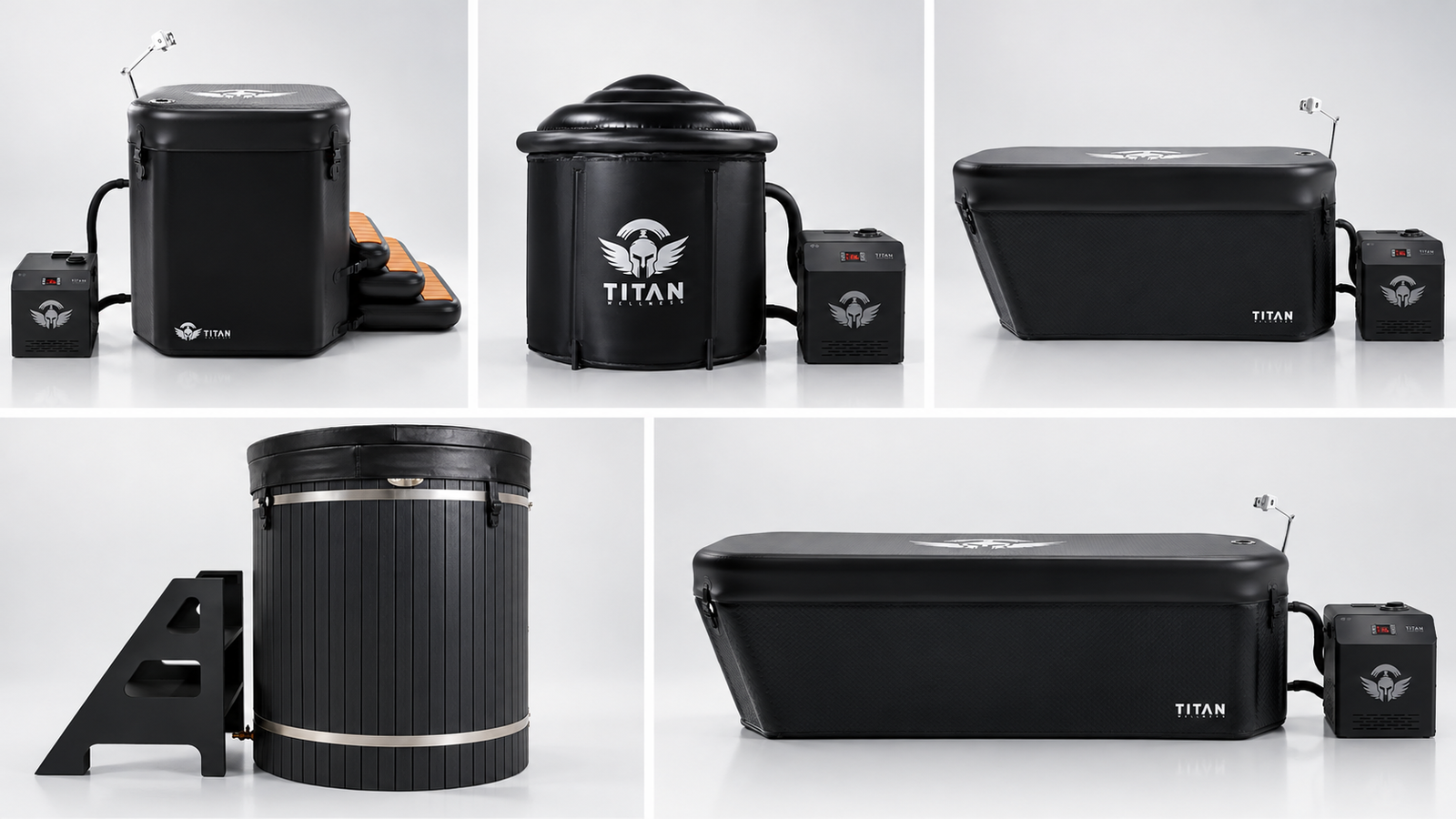
The 5 Best Portable Cold Plunge Tubs
- October 11, 2026
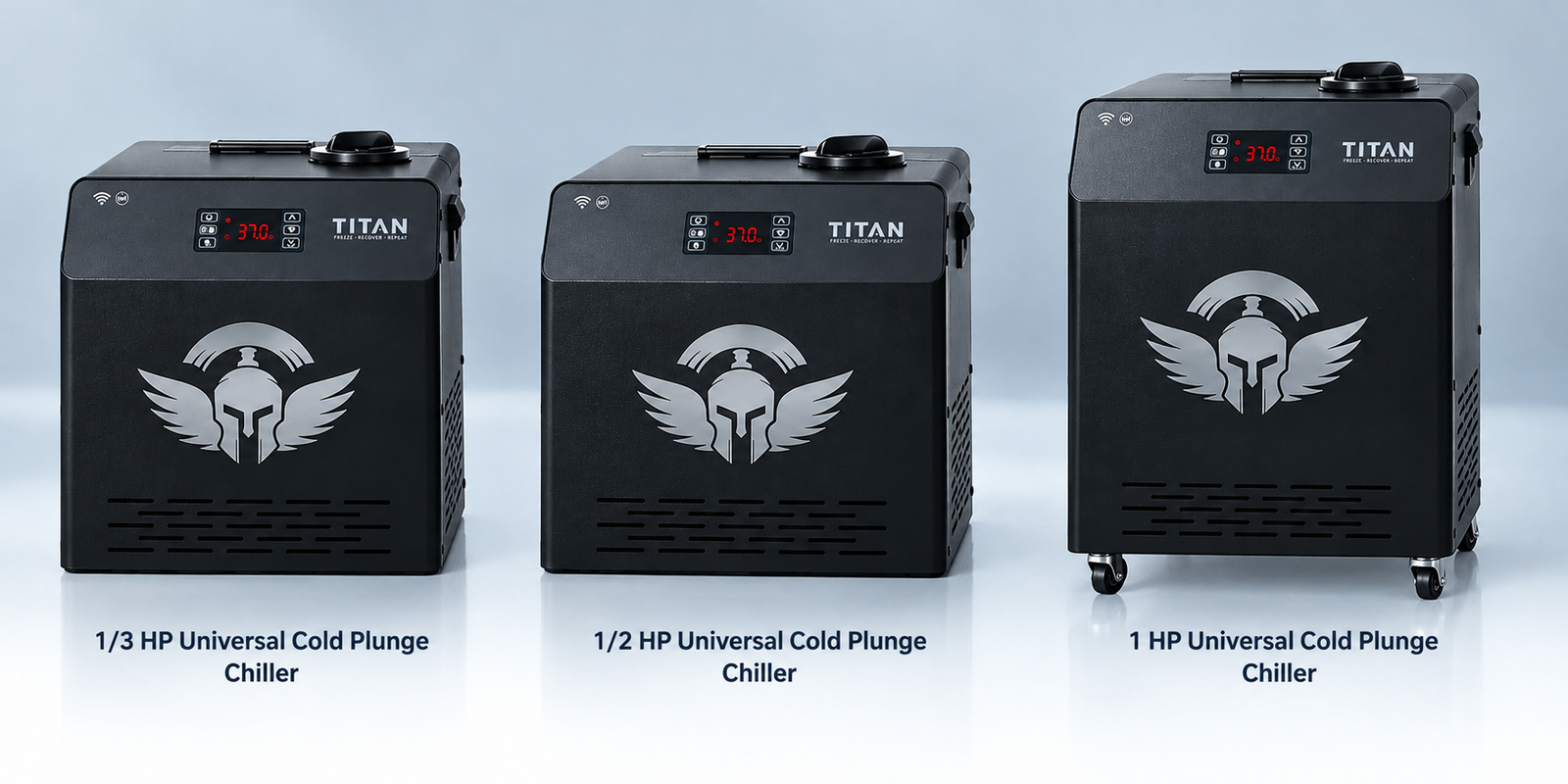
Is Titan Wellness Cold Plunge Chiller Worth the Price? Honest Review
- October 9, 2026
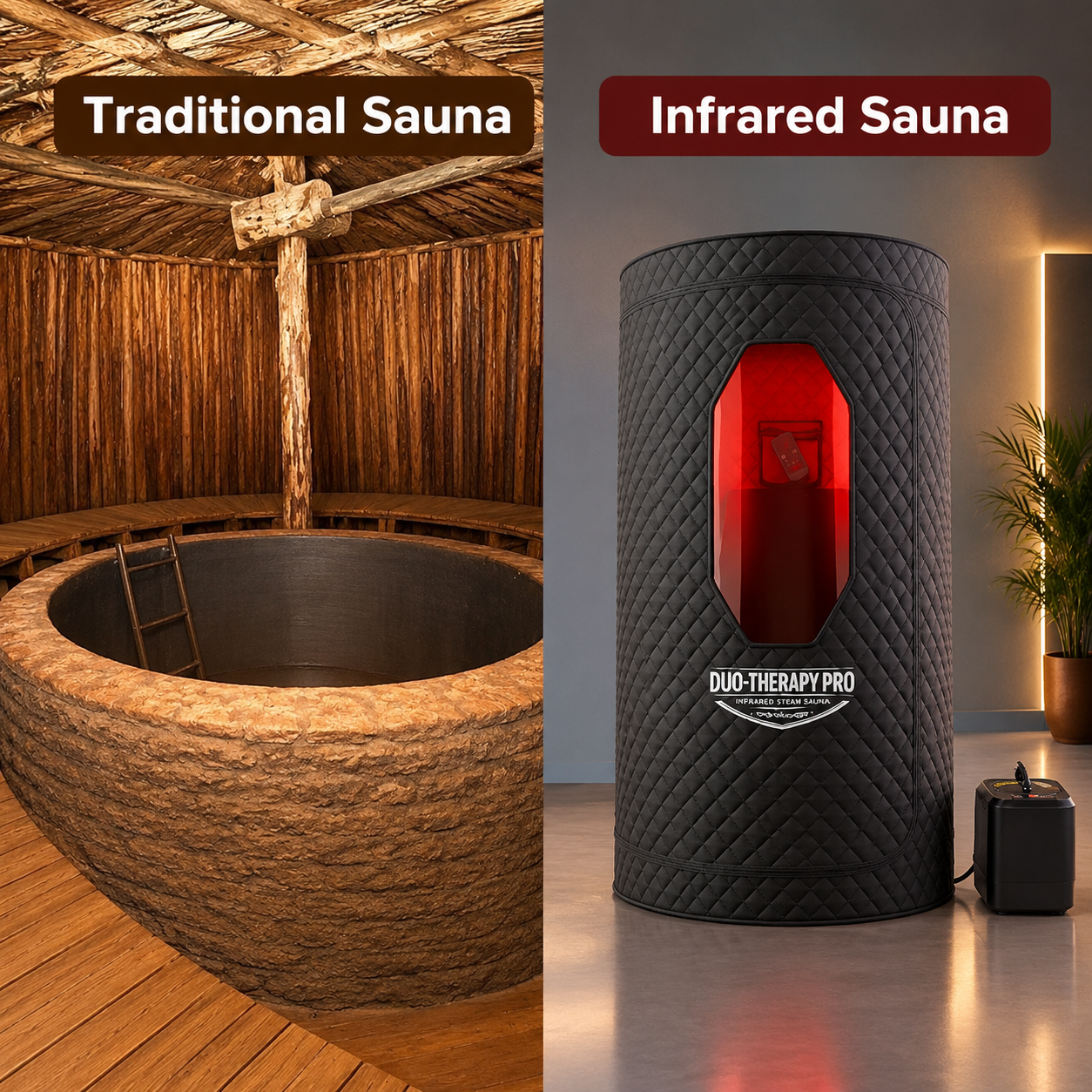
Traditional Sauna vs. Infrared Sauna: What’s the Difference
- October 5, 2026
Cold Plunge vs Sauna: Which Should You Try First?
More Blogs
Recent Blogs
The 5 Best Portable Cold Plunge Tubs
October 13, 2026
A cold plunge can fit well into a recovery routine. But picking the right tub is
Read More
Is Titan Wellness Cold Plunge Chiller Worth the Price? Honest Review
October 11, 2026
A cold plunge sounds simple enough: fill the tub, add some ice, get in. Until you’re
Read More
Traditional Sauna vs. Infrared Sauna: What’s the Difference
October 9, 2026
Not all saunas work the same way, and there’s more than one type out there. A
Read More
Cold Plunge vs Sauna: Which Should You Try First?
October 5, 2026
Simple answer: sauna for relaxation and heat-based wellness, cold plunge for recovery and soreness Trying to
Read More