
- October 9, 2026
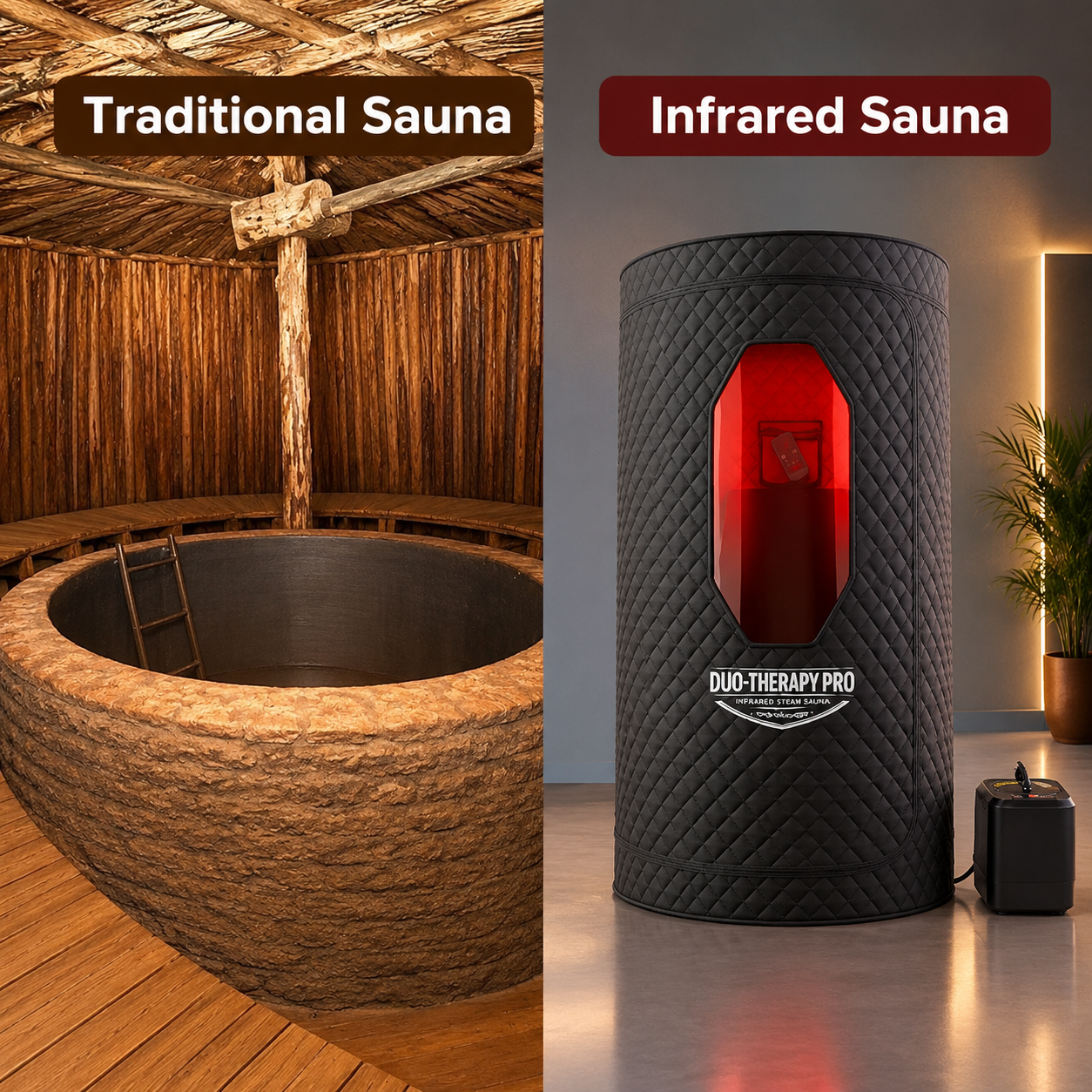
Not all saunas work the same way, and there’s more than one type out there. A traditional classic sauna heats the whole room. It usually does so with an electric heater or hot stones. You just sit there and take in the hot air. An infrared sauna skips that step. It instead uses infrared panels to warm your body straight away. In this case, the room stays fairly mild even though your body is sweating just as hard. Which one suits you better really comes down to taste and your body’s needs. Some people like getting hit with a wall of heat the second they walk in. Then there are people who want the sweat without the roast. Your space, your budget, and whether you care about add-ons like steam or red light therapy all come into play here. If you’re comparing home options, the Titan Wellness sauna is another range worth exploring alongside traditional and infrared setups.
Traditional Sauna vs Infrared Sauna at a Glance
| Feature | Traditional Sauna | Infrared Sauna |
| How it heats | Heats the surrounding air | Warms the body directly with infrared panels |
| Typical temperature | Around 150°F–195°F | Around 110°F–135°F |
| Heat experience | Hot, dry room | Cooler room, direct radiant warmth |
| Sweat | Usually intense | Can still be significant |
| Humidity | Generally low | Generally low |
| Heating method | Electric heater, wood, or heated stones | Infrared heating panels |
| Best suited to | People who like intense heat | People who prefer lower temperatures |
That temperature gap in the middle of the table is really the whole story. Everything else follows from it.
What Is a Traditional Sauna
This is the sauna most people picture. Finnish-style, usually an electric heater doing the work, sometimes heated stones instead. Pour water over the stones, and you get bursts of steam on top of the dry heat, if that’s your thing.
You walk in, and it’s hot, and it stays that way the entire time. The normal range is somewhere between 150 and 195 degrees. Humidity stays pretty low unless someone’s tossing water on the stones. A lot of people pick this style for the ritual of it as much as the heat itself. You’re on a wooden bench, heat creeping up around you bit by bit. There’s something almost meditative about that slow build. If you’re the type who likes to sweat hard, wants room for friends or family to pile into a bigger cabin, or you just grew up with this kind of sauna in the family, honestly, this one’s probably your pick already.
What Is an Infrared Sauna?
The mechanism’s totally different here. Infrared panels send energy right into your body instead of warming up the air first. That’s why the room can stay cooler while you’re still sweating just as much. Most units run somewhere between 110 and 135 degrees, depending on what you get, and honestly, that lower number is a bigger deal than people realize. Traditional sauna heat is rough for a lot of folks, especially the first few times. Infrared kind of gives you a backdoor in. Same sweat, same routine, but you’re not white-knuckling it the whole time. It also just fits better in smaller homes since the units don’t need much room. If you’re looking at infrared options for home use, you can also browse Titan Wellness infrared saunas to compare different setups and features. On the research side, sauna use generally gets tied to better relaxation, some heart benefits, and easing sore muscles. But some of that research hasn’t fully caught up with what gets claimed in marketing. Worth keeping that in mind before you buy into the bigger promises.
How Do They Actually Feel
Here’s the real difference, and it’s not subtle. Step into a traditional sauna and the heat hits you immediately, everywhere, all at once. If you’re new to saunas, that can be a lot.
Infrared is quieter. The room doesn’t feel that hot. The warmth is more localized, coming from the panels toward your body rather than surrounding you from every direction.
Traditional one heats the room, and your body catches up. Infrared skips straight to your body and leaves the room alone. Neither is objectively better; it’s just a different kind of hot.
Which One Makes You Sweat More
Both will get you there. Traditional runs are hotter overall, so they often feel more intense. But don’t assume infrared is a lighter workout for your body. The direct heat still pulls a real sweat, just through a different route.
One thing worth saying clearly: more sweat doesn’t mean more benefit, and it definitely doesn’t mean fat loss. That’s water weight coming off, not fat. Saunas pair well with exercise. They don’t replace it.
Which One Uses More Energy
Hard to answer in general terms. It comes down to the specific unit, how long your sessions run, insulation, and what you’re paying per kilowatt-hour locally. Traditional heaters usually need more power since they’re raising the temperature of an entire room. Infrared units run cooler and tend to be built around more efficient panels, but efficiency varies a lot between brands.
If cost matters to you, look up the actual wattage and recommended session length for the model you’re considering. Don’t just assume infrared wins on price. Sometimes it does; sometimes it’s closer than people expect.
Choosing Between Them for Home Use
Space and setup end up mattering almost as much as the heat itself once you’re actually buying one. A traditional sauna needs more room and often a dedicated electrical setup, depending on the model. Infrared units are usually smaller and easier to fit into a spare room or garage corner. This is also where Titan Wellness home sauna options can be worth comparing, especially if space and setup are part of your decision.
If you can’t decide, you don’t have to. There’s a third option.
A Sauna That Gives You Both
If part of you wants infrared and part of you wants steam, you don’t really have to pick one. A dual-therapy unit gives you both. The Sauna Duo-Therapy Pro® from Titan Wellness runs infrared and steam as separate modes in the same cabin, so you just choose whichever one matches your mood that day. It also has a built-in red light therapy panel, so you’re getting a bit more than just the two heat styles.
Explore the Sauna Duo-Therapy Pro®
The infrared mode uses far-infrared panels. The steam mode builds humidity separately and can reach up to 150°F. It also sets up faster than a permanent traditional sauna, which makes it a reasonable middle ground if your mood about heat changes from week to week.
So, Which Should You Choose
Honestly, there’s no universal right answer. Traditional wins if you want high heat and the classic experience. Infrared wins if a cooler room with direct warmth sounds more livable to you. Dual-therapy wins if you’d rather not choose at all.
Beyond the heat type, look at the practical stuff too: space, wiring, controls, materials, ventilation, how it’s cleaned, and whether you’ll actually use it often enough to justify it.
Final Thoughts
It really comes down to how the heat gets to you. Traditional heat warms the room and lets your body follow along. Infrared skips that step and warms you directly while the room stays cooler. If you already know which kind of heat you like, this decision is easy. If you don’t, a combo unit that runs both infrared and steam gives you room to figure it out instead of locking you into one experience. Some people notice the difference the first time they try both. Others need a few sessions before any real preference shows up. Either way, the right sauna is the one you’ll actually use, the one that fits your space, and the one that leaves you feeling the way you want to feel when you walk out. Give it an honest trial run before you lock yourself into one style over the other.
You can also browse the Titan Wellness sauna range if you want to compare different home sauna configurations before making a choice.
FAQS
1. What is the healthiest sauna?
Every sauna heats up differently. So it completely depends on your body’s needs, your comfort level, your tolerance, and the type of exposure you are looking for.
2.What happens to your body when you use an infrared sauna every day?
Every infrared sauna session puts your body through direct heat. Your heart rate climbs, blood flow picks up, and you start sweating pretty fast. That’s the whole point of it, really. Doing it every single day, though, that’s not for everyone. Some people’s bodies handle it fine. Others need a rest day or two in between. You’ll figure out pretty quickly which camp you’re in. Drink water before you go in and after you’re done. And don’t just wing the session length. The manufacturer sets that number for a reason, so stick close to it instead of guessing.
3. Do saunas reduce belly fat?
Saunas do not reduce belly fat directly. Some people check their weight on a weighing scale after a few sessions, but that is just water weight reduction from sweating. That is not fat loss. Fat loss comes from keeping a steady calorie deficit, regular exercise, and a good diet.
Should you drink water in a sauna?
4. Yes, it is highly recommended to drink water before and after sauna sessions to keep your body hydrated. Sauna sessions make you lose a lot of water through sweating. You might start feeling dizzy; therefore, it is important to drink water.
5. What should you not do in a sauna?
Do not stay longer than the recommended time. Do not ignore the warning signs. Do not skip hydration. If you’ve been drinking alcohol, skip the sauna entirely. Do not push through dizziness or discomfort.
RECENT BLOGS
- October 13, 2026
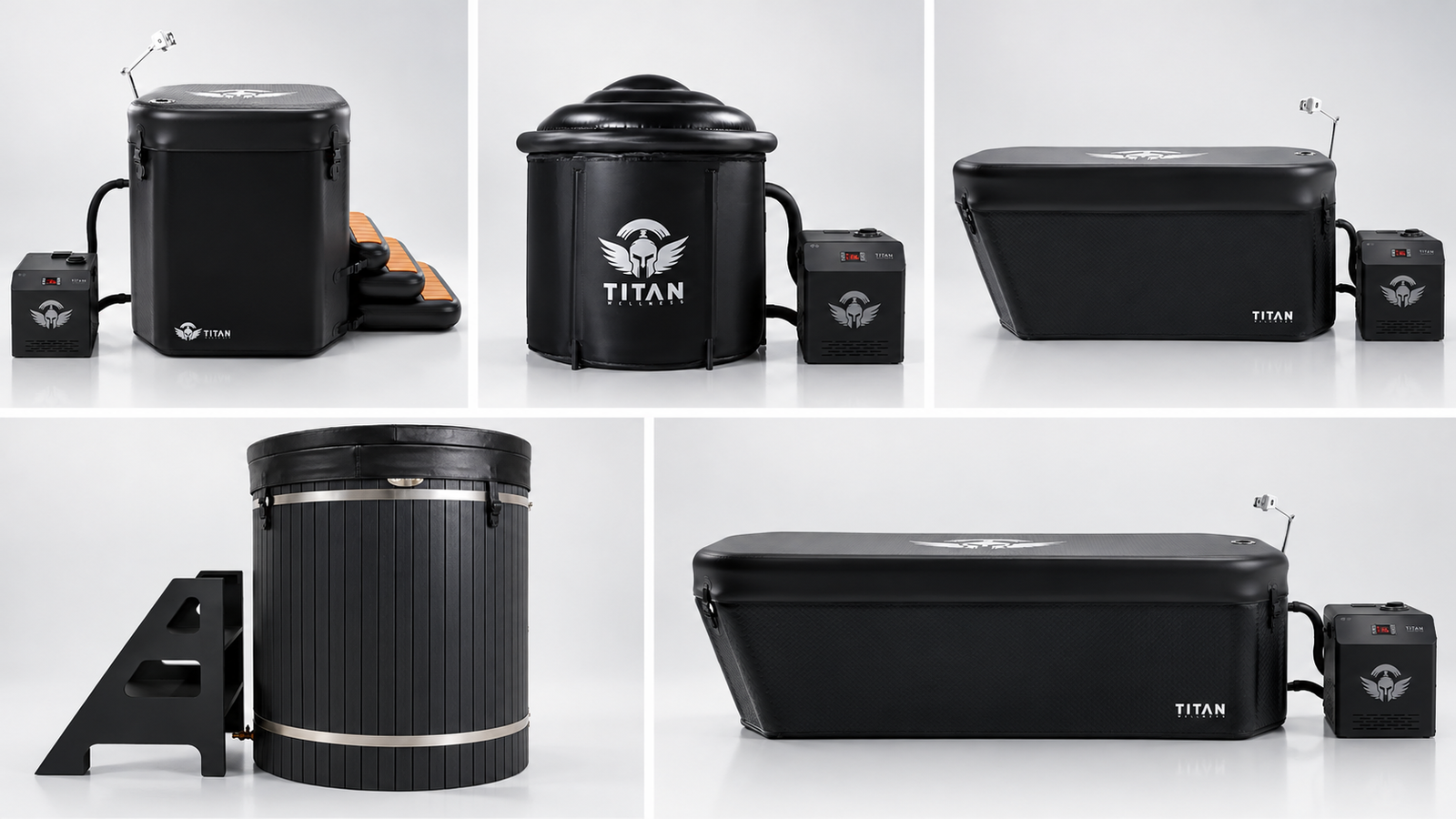
The 5 Best Portable Cold Plunge Tubs
- October 11, 2026
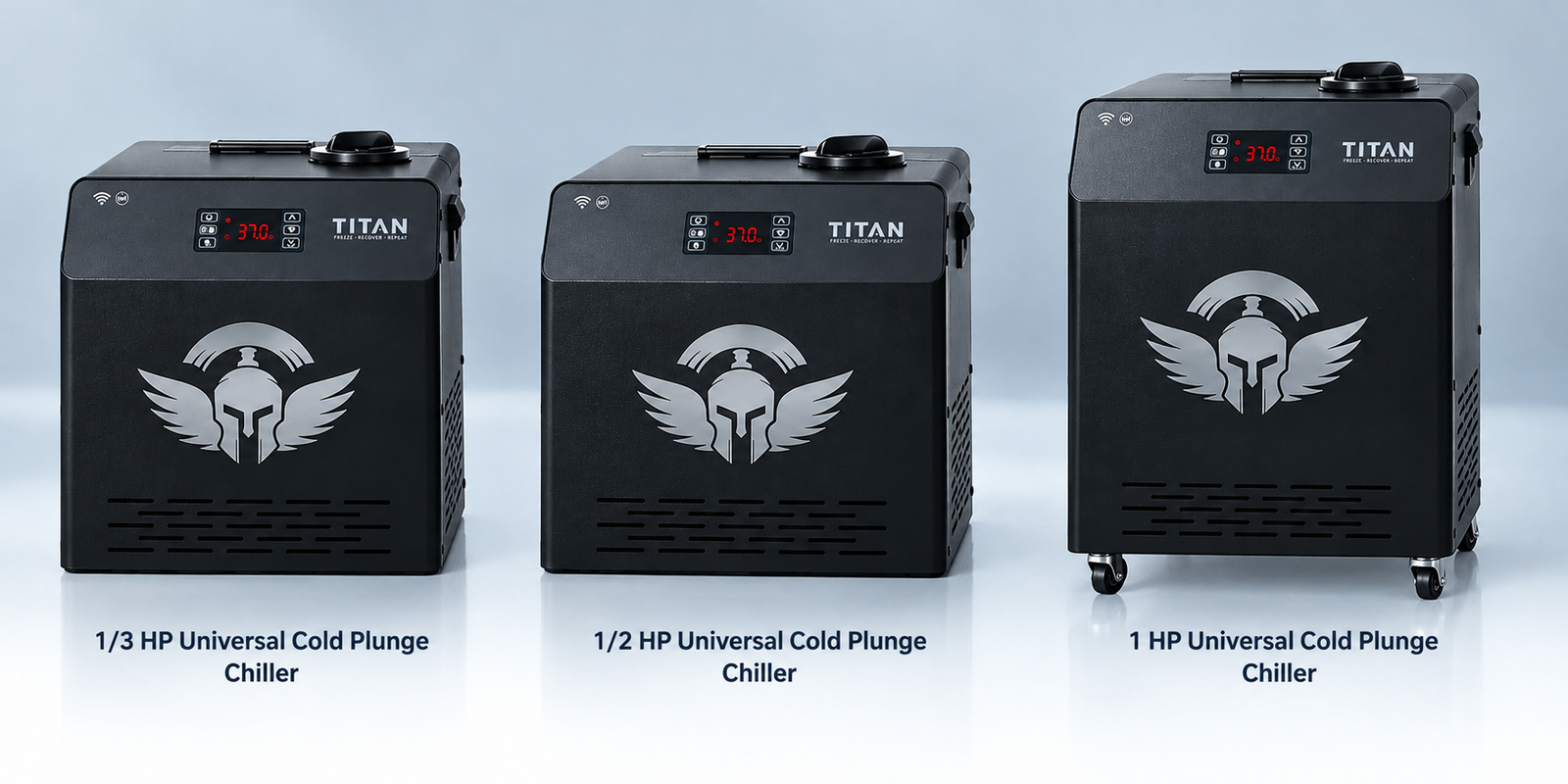
Is Titan Wellness Cold Plunge Chiller Worth the Price? Honest Review
- October 9, 2026
Traditional Sauna vs. Infrared Sauna: What’s the Difference
- October 5, 2026
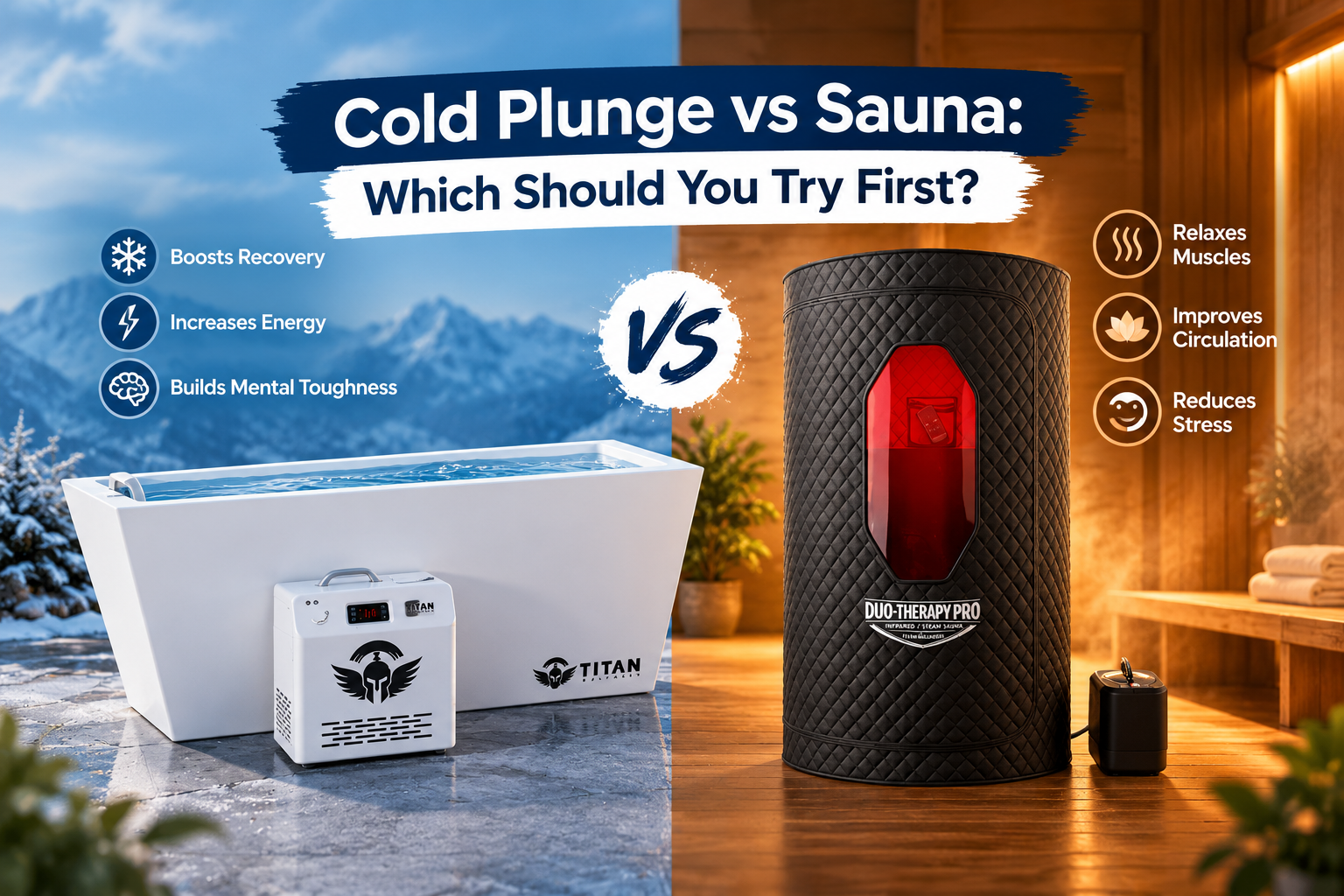
Cold Plunge vs Sauna: Which Should You Try First?
More Blogs
Recent Blogs
The 5 Best Portable Cold Plunge Tubs
October 13, 2026
A cold plunge can fit well into a recovery routine. But picking the right tub is
Read More
Is Titan Wellness Cold Plunge Chiller Worth the Price? Honest Review
October 11, 2026
A cold plunge sounds simple enough: fill the tub, add some ice, get in. Until you’re
Read More
Traditional Sauna vs. Infrared Sauna: What’s the Difference
October 9, 2026
Not all saunas work the same way, and there’s more than one type out there. A
Read More
Cold Plunge vs Sauna: Which Should You Try First?
October 5, 2026
Simple answer: sauna for relaxation and heat-based wellness, cold plunge for recovery and soreness Trying to
Read More