
- June 9, 2026
Cold plunges are becoming very popular. More and more people have shared their fitness and recovery routines online. It has made cold water therapy gain attention from a much wider audience. Fitness coaches, athletes, and wellness influencers talk about their experiences online and share videos of themselves taking cold water dips for recovery. It has made cold plunges familiar to people who may never have considered trying these.
Some people do these just as a challenge and for the feeling that they get after doing it. Anyone doing it for the first time usually has this question in mind, like how cold should the water be? What temperature of water in cold water therapy would work fine? For some people, a temperature between 50°F and 59°F (10°C to 15°C) works fine. This much cold water is enough to provide the cold water benefits that people want. Some say that the colder the water, the better the results. But it does not work like that. Excessively cold water can risk you getting cold shock and sometimes hypothermia. A temperature below 40°F (4°C) is a level that can make you feel a strong intensity. But it is advised for experienced people only.
This guide will help you understand the right temperature for your body. Many people who use Titan Wellness cold plunge systems adjust their water temperature based on their experience level and recovery goals. With the help of this article, you can figure out what each temperature does to your body.
What Is a Cold Plunge?
A cold plunge is a process of dipping your whole body into cold water for a few seconds or minutes. It can be done by dipping your body in a tub filled with cold water.
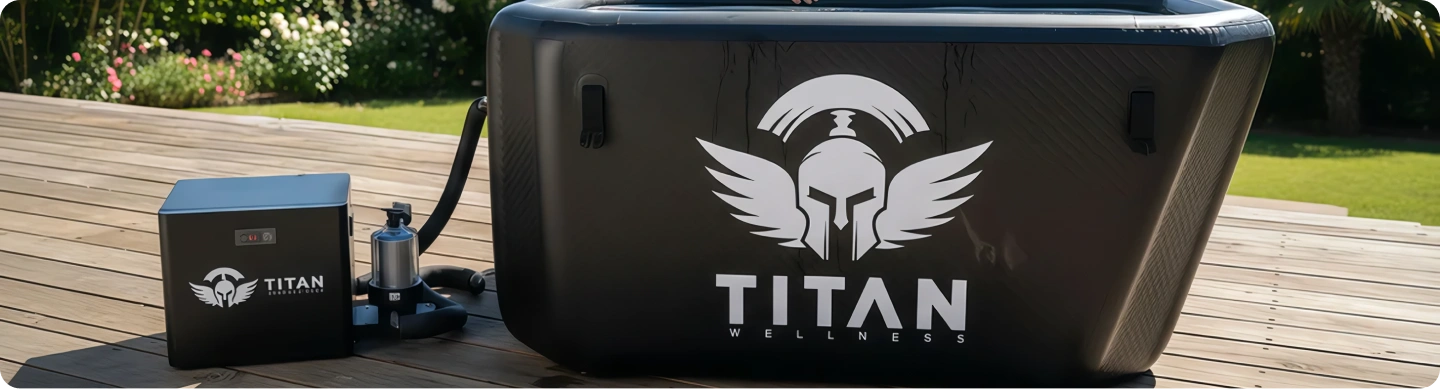
Some people take big tubs and put ice in them manually, and then soak themselves in that water with ice cubes. Some get into cold plunge systems that don’t need ice; a Titan Cold Plunge system allows users to maintain a consistent water temperature without manually adding ice.
Basically, these work like an electric cooling machine that sucks warm water out of the tub, chills it instantly inside like a mini-fridge, and pumps it right back in cold. Cold water plunge is also called “cold water immersion,” “ice bath therapy,” “cold water therapy,” etc. Some people use this as a recovery routine. Some use this for focus and mental strength. Some use it for simple, better skin.
Why Cold Plunge Temperature Matters
If you get into too-cold water or water that is too cold for your body, you can get cold shock and a serious problem as well. A few degrees of temperature difference can make a really big difference. Many people mistake cold water for being too good. This is actually stupid. You can not reach the top without climbing the initial steps of the staircase. Slow results are better than risking your body. The right temperature helps you:
- Maintain consistency
- Create a safer experience
- Stay comfortable
- and build tolerance gradually
Whether you use a traditional ice bath or a Titan Wellness cold plunge, choosing the correct temperature is important for both safety and comfort.
Understanding the Cold Plunge Temperature Range
Different temperatures in the cold water dip work differently. Very few degrees of difference can create a big difference in experience and results.
Let us understand each range in detail.
55°F to 60°F (13°C to 16°C)
Best for Beginners
This is often the easiest place to start. Many new Titan Cold Plunge users begin within this temperature range while learning how their body responds to cold exposure.
The water still feels cold. However, it is usually much more manageable than lower temperatures. People who are trying cold water immersion for the first time often feel more comfortable within this range. The initial shock tends to be less intense. Many users focus on learning proper breathing and staying calm while their body adapts to the cold.
What It Feels Like
You may notice:
- Cool skin sensation
- Mild discomfort
- Increased alertness
- Faster breathing during the first moments
Most people adjust within a short period.
Common Uses
This temperature range is often used for:
- First-time cold plunges
- Daily wellness routines
- Gentle cold exposure
- Building confidence
This is the ideal cold plunge temperature for many people who are getting started.
50°F to 54°F (10°C to 12°C)
A Comfortable Middle Ground
After spending some time in beginner temperatures, many users gradually move into this range. This range makes you feel cold very noticeably. It is adjustable for many people. You can name it a good balance between challenge and comfort. Many regular cold plunge users spend most of their time here.
What It Feels Like
You may experience:
- Stronger cold sensation
- Increased focus
- Faster adaptation to cold exposure
- Greater awareness of breathing
The first minute may feel challenging, but most users adapt quickly.
Common Uses
People often choose this range for:
- Daily cold therapy
- Mental resilience training
- General wellness
- Consistent cold exposure
45°F to 49°F (7°C to 9°C)
The Most Popular Recovery Range
Many experienced users consider this the sweet spot. This is a range that feels intense but not so intense that it feels intolerable. You can name it the best cold plunge temperature for recovery and comfort. Athletes commonly use this range after demanding workouts. This is also a popular setting among Titan Wellness users looking for post-workout recovery support.
Cold Plunge Temperature for Recovery
Some people want to understand the right cold plunge temperature for recovery; this range is best suited for them. This level offers a strong cold water exposure to the body.
What It Feels Like
Expect:
- Immediate cold shock
- Strong cooling effect
- Increased focus
- A noticeable challenge during the first minute
Many users report feeling refreshed and energized afterward.
40°F to 44°F (4°C to 6°C)
For Experienced Users
This range is significantly more intense. The body reacts quickly when entering water this cold. Many people find that breathing control becomes much more important. Users with little cold exposure experience may find these temperatures overwhelming.
What It Feels Like
Common experiences include:
- Strong cold shock
- Rapid breathing
- Tingling sensations
- Intense focus
Sessions at these temperatures are often shorter.
Common Uses
Experienced users may choose this range for:
- Advanced cold exposure
- Mental toughness training
- Personal challenges
- Performance-focused routines
37°F to 39°F (3°C to 4°C)
Users often describe:
- Intense cold shock
- Strong body awareness
- High mental focus
- Significant discomfort at first
This range should be approached carefully. Below is a detailed breakdown of what each temperature does to your body.
| Temperature Range | Experience Level | What It Feels Like | Common Uses |
| 55°F–60°F (13°C–16°C) | Beginner | Mild cold, easy to tolerate | First-time plunges, daily wellness, and building confidence |
| 50°F–54°F (10°C–12°C) | Beginner to Intermediate | Noticeably cold but manageable | Regular cold therapy, general wellness, and mental resilience |
| 45°F–49°F (7°C–9°C) | Intermediate | Strong cold sensation, refreshing | Recovery, post-workout routines, and consistent cold exposure |
| 40°F–44°F (4°C–6°C) | Experienced | Intense cold shock and rapid breathing | Advanced cold exposure, mental toughness training |
| 37°F–39°F (3°C–4°C) | Advanced | Extremely cold and challenging | Experienced users seeking maximum cold exposure |
Cold Plunge Temperature by Experience Level
Choosing a temperature based on experience level is often the safest approach. A Titan Wellness cold plunge makes it easy to adjust temperatures gradually as your experience increases.
Beginner
Recommended Range: 50°F to 60°F (10°C to 16°C)
Benefits:
- Easier adjustment
- Less overwhelming
- Good for learning breathing techniques
Intermediate
Recommended Range: 45°F to 50°F (7°C to 10°C)
Benefits:
- Greater cold exposure
- Stronger challenge
- Popular for regular use
Advanced
Recommended Range: 37°F to 44°F (3°C to 6°C)
Benefits:
- Intense experience
- Strong mental challenge
- Suitable for experienced users
How to Find Your Best Cold Plunge Temperature
This is not something that can be the same for everyone’s body. The best cold plunge temperature is based on a few factors: Users of Titan Wellness systems can experiment with different temperature settings to find what works best for their goals.
Your Experience Level
A person who is getting started with this should not try to use a range that any experienced person would use. You should look up your body tolerance level and then gradually increase the range with experience.
Your Goals
Ask yourself why you are using a cold plunge.
Are you looking for:
- Recovery support?
- Mental resilience?
- Daily wellness?
- A personal challenge?
Your goal may influence your preferred temperature.
Your Comfort Level
It is usually said that you should get out of your comfort zone. But that is also supposed to be done smartly. Any blind decision can lead to dangerous results. Cold exposure should feel challenging. But it should not make you risk your body. It is advised to choose a temperature slightly lower than your comfort zone, but without causing any kind of harm. So, form a point that is near your comfort level and then gradually lower it a few degrees and hold for a few seconds to increase your body tolerance.
Cold Plunge: Right Temperature Benefits
Different temperatures create different experiences, but many people use cold plunges for similar reasons. A Titan Cold Plunge allows users to maintain precise temperatures and create a more consistent cold therapy routine. Some commonly reported cold plunge temperature benefits include the following:
Increased Alertness
Many users feel more awake and focused after a cold plunge.
Recovery Support
Cold water helps ease soreness post-workout.
Mental Resilience
The challenge of entering cold water can help people practice staying calm under discomfort.
Consistency in Wellness Habits
Many users enjoy making cold plunges part of their daily or weekly routine.
A Feeling of Refreshment
You feel very refreshed by dipping your body in cold water, and it makes you feel very rejuvenated and energized. Still, each person can feel different about this.
Safety Tips for Cold Water Immersion
Cold plunges should always be approached responsibly.
Keep these safety tips in mind:
- Start slowly
- Avoid extremely cold temperatures as a beginner
- Listen to your body
- Exit the water if you feel unwell
- Stay hydrated
- Consult a healthcare professional if you have medical concerns
Gradual progress is usually better than trying to tolerate the coldest temperatures
Final Thoughts
If you understand the right cold plunge temperature, it can make a difference in your experience with this. You stay consistent and get benefits in more effective ways. The experience becomes safe and comfortable for you. Many Titan Wellness users find that gradually adjusting water temperature helps them stay consistent with cold therapy over time.
When you try to do so much in starting, it can harm you, create discomfort, and force you not to stay consistent.
The right and most beneficial temperature of a cold plunge is not necessarily the coldest one. People doing it for the first time may start from 50°F to 60°F. Those who have done it a few times can try 45°F to 50°F. Experienced people themselves start to understand their body and tolerance level. Therefore, they figure out the right temperature for them over time. Below 45°F is suitable for experienced people. Eventually, you just have to understand what your goals are and what you are looking for. And therefore, you can decide what suits you best.
Frequently Asked Questions
What is the best cold plunge temperature?
The temperature that most users prefer is 45°F to 50°F. This is a balanced temperature between comfort and temperature without harming. Rest, the right temperature depends on your tolerance and experience.
What is the cold plunge temperature for beginners?
People who have not done it before may start with 50°F to 60°F. This is a good range to let your body adapt to it gradually.
What is the ideal cold plunge temperature for recovery?
To heal from post-workout soreness and recovery, 45°F and 55°F temperatures are fine.
Is colder always better?
This is a myth. Too much of anything is actually bad. What matters is consistency. A suitable temperature based on your tolerance and experience with cold plunges works fine. It is not important to have the coldest water possible. It can, in fact, harm in some cases.
How cold is too cold for a beginner?
Beginners should avoid temperatures less than 45°F for a cold plunge.
How often should I use a cold plunge?
It completely depends on your body tolerance and lifestyle. Some people do it daily for fitness and post-workout recovery. Some just do it, sometimes a week, to feel refreshed. First, figure out what you want from this therapy, then decide accordingly.
Can I adjust the Titan cold plunge temperature?
Yes. The Titan wellness cold plunge comes with a temperature adjustment setting. You can set temperature based on your requirements.
RECENT BLOGS
- October 5, 2026
Cold Plunge vs Sauna: Which Should You Try First?

- September 29, 2026
BEST BUDGET HOME SAUNA UNDER $1,000
- September 17, 2026
Best Cold Plunge Tubs of 2026: Full Buyer’s Guide
- July 20, 2026
Titan Contrast Therapy Bundle: Is Buying the Cold Plunge and Sauna Together Worth It?
More Blogs
Recent Blogs
Cold Plunge vs Sauna: Which Should You Try First?
October 5, 2026
Simple answer: sauna for relaxation and heat-based wellness, cold plunge for recovery and soreness Trying to pick between a cold plunge and a sauna? Start with your goal, not the product. If you want relaxation and general heat exposure, a sauna is the easier first move. If sore muscles and workout recovery are what’s driving you, a cold plunge probably
Read More
BEST BUDGET HOME SAUNA UNDER $1,000
September 29, 2026
The Titan Sauna Duo-Therapy Pro® stands out for combining infrared heat, steam and built-in red light therapy in one portable setup for $649. It gives you more than a single-mode sauna while staying comfortably within a $1,000 budget. Once you look at home sauna prices, a thousand dollars doesn’t seem like much. But it goes further than you’d think. You
Read More
Best Cold Plunge Tubs of 2026: Full Buyer’s Guide
September 17, 2026
Buying a cold plunge in 2026 isn’t quite like buying a basic ice bath anymore. Now you’ve got portable tubs, insulated inflatable plunges, rigid drop-stitch models, acrylic tubs, stainless steel setups, and full systems that come with a chiller and filtration built in. Sounds great on paper. But honestly, it can make picking the right one way more confusing than
Read More
Titan Contrast Therapy Bundle: Is Buying the Cold Plunge and Sauna Together Worth It?
July 20, 2026
Thinking about investing in hot and cold therapy equipment? Here’s the thing you should know: A Titan contrast therapy bundle is usually better than buying a cold plunge and sauna separately. You can get two therapies with one product – two products at the price of one. Both therapies actually work together. The best part: you will not have to
Read More