
- November 13, 2026
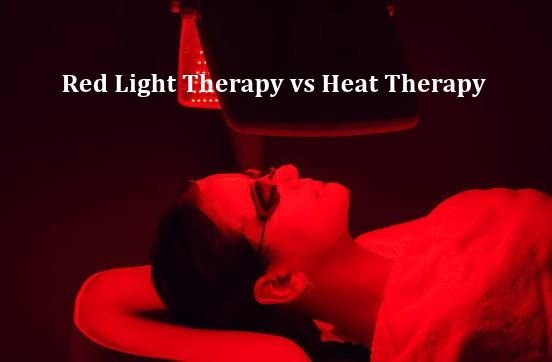
Red light therapy and heat therapy both help with body pain after exercise. But both of them work in different ways. Heat therapy warms the body. It eases tightness in muscles. It makes you feel less stiff and thus relaxes your body. Red light therapy works with light of a specific wavelength. This way, it goes deep and helps in healing and repairing cells.
To decide on a better option out of both, you need to figure out what kind of pain you are having. Heat practically works best for tight muscles and that uneasy, stiff feeling. Red light works better for cell repair and even has skin benefits like repairing fine lines and wrinkles.
Titan Wellness offers both heat and red light benefits in one product. Explore Titan Duo Therapy to book yours.
Quick Comparison
Here is a quick comparison table:
| Feature | Red Light Therapy | Heat Therapy |
| Main mechanism | Uses light to influence cell activity | Warms tissue and increases local blood flow |
| Temperature | Built to work without major heating. Some devices still give off warmth | Raises tissue temperature on purpose |
| Common uses | Selected pain conditions, muscle recovery, tissue repair research | Muscle tightness, daily stiffness, relaxation |
| Research | Promising for some conditions. Evidence varies | Well established for short-term relief of some muscle discomfort |
| What it feels like | A session of light exposure | Warmth that helps muscles relax |
| Key factor | Wavelength, dose, and device quality | Temperature, duration, and skin sensitivity |
How Red Light Therapy Works
RLT is the short form of red light therapy. It is also called photobiomodulation. This therapy uses red and near-infrared light. These lights influence processes within cells. Most red light devices work at about 630 to 660 nanometres. Near-infrared devices tend to sit higher, around 810 to 850 nanometres.
These wavelengths may influence mitochondrial activity. This includes processes tied to cell energy production. Researchers are also studying how this light may affect inflammation and tissue recovery.
People often explore red light therapy for:
- Muscle soreness and exercise recovery
- Certain types of joint discomfort
- Support for tissue repair
- Some chronic musculoskeletal pain conditions
Every body responds differently. The results you’ll see will be dependent on the device you are using. Also, on the wavelength of light, the condition of your body and the reason for injury. Don’t count on red light therapy to fix serious pain or a deep injury. It is a wellness tool, not medical treatment. When something feels wrong, see a doctor.
Want to try light-based recovery at home? Titan Wellness offers a Red Light Therapy Mat. It is made for easy use in a wellness routine.
How Heat Therapy Works
Heat therapy gives you a warm-up feeling. And you actually do not have to do anything for it. It warms up your body. It makes your blood flow better. You feel able to move. Tight muscles relax. Moving around feels easier and less stiff. Heat therapy covers things like heating pads, warm compresses, saunas, infrared saunas, and warm baths.
Heat may help with:
- Everyday muscle tension
- Stiffness from sitting too long
- Tight muscles after a workout
- Some muscle spasms
Heat therapy is not suitable for everything and everyone. There are certain scenarios in which a person should avoid heat. Skip heat therapy if you have a fresh injury. Also avoid it if your skin is swollen or burnt, or if the problem looks serious. If someone has told you to use heat anyway, check with a doctor first. They can tell you whether it is safe for your case.
The Duo-Therapy Pro also appears in our guide to the best budget home sauna under $1,000. Explore the Titan Wellness Sauna Duo-Therapy Pro to see its specs and features.
Which Works Better for Different Types of Pain
Not every ache needs the same fix. Here is when heat may help, and when red light may be the better call.
1. Tight Muscles and Everyday Stiffness: Heat Therapy
Body feels stiff after sitting all day on desk job sometimes. And after some training as well, your body feels hard to move due to cramps. Many parts, like back, shoulders, and neck, feel stiff for no clear reason. Heat therapy helps you with these. A heating pad or warm shower makes you feel much better.
2. Exercise Recovery: Red Light Therapy
Sore after a hard workout? Red light therapy may help your muscles bounce back. The research is mixed, though, so do not expect magic. Think of it as a small extra. Sleep, water, food, and rest still do the heavy lifting.
If you want to try it, take a look at the Titan Wellness red light therapy mat while you compare home options.
3. Certain Chronic Pain Conditions: Red Light Therapy
There is some research behind red light therapy for muscle and joint pain. Still, the results depend on the condition, and no one can promise it will work for you. What causes your pain plays a big part. The device and the way you use it count too. Pain that keeps returning is a sign to see a healthcare professional.
4. Fresh Injuries and Swelling: Be Careful With Heat
If you notice swelling or just in case had a recent fresh injury, avoid applying strong heat. Heat may worsen swelling in some acute injuries. Red light therapy is not a substitute for an injury assessment or appropriate treatment. Seek medical advice if the pain is severe, swelling is significant, or movement is difficult.
Red Light Therapy Mat or Sauna: Which to Choose
These two products are not the same thing. The red light therapy mat is all about light. The Sauna Duo-Therapy Pro packs more in. You get infrared heat, steam, and a red light feature, all in one unit. Before you decide, ask yourself what you actually want from it. Room size matters. So does your budget, and so does how well it fits into your week. Read the specs and the safety instructions first, and be clear on what the device is made for. It can’t promise pain relief. And if you need real medical care, a device won’t take its place.
Infrared Heat and Steam in One Sauna
The Sauna Duo-Therapy Pro is a product that comes with two benefits. The Sauna Duo-Therapy Pro gives you two sauna styles in one unit. It has infrared heating and steam heating, so you can switch between them as you like. It is also portable. You can set it up almost anywhere. Also, there is no need to build a permanent wooden sauna. Infrared heat gets in contact with your body directly. Steam doesn’t. It instead heats up the environment around. Then your body feels it. The unit has three infrared heating panels and separate controls for each heating mode. That makes it a good fit for anyone who wants sauna-style warmth at home. Keep one thing in mind. Infrared heat and steam are not the same as red light therapy. Each feature does its own job, so look at the benefits of each one on its own.
Want to know how sauna styles compare? Read the guide to traditional sauna vs infrared sauna before you decide.
Want light therapy and heat in one routine? A device with multiple features can make that easier. The Titan Wellness Sauna Duo-Therapy Pro packs infrared heat, steam, and a built-in red light therapy panel into one portable setup. Here is what stands out.
How to Choose the Right Option for Your Needs
- For tight or sore muscles: Start with heat. A heating pad or warm shower loosens muscles and eases stiffness.
- Full-body relaxation: Go for an infrared sauna. It warms your whole body, not just one spot. Some models add steam or red light.
- For pain that keeps coming back: See a doctor first. This applies if the pain lasts, gets worse, or has no clear cause.
- For post-workout recovery: If you feel sore after training, red light can help ease pain. Still, good sleep, real meals, and rest days matter more.
Buying anything only helps if you actually use it. Look at the setup. Check safety features. Understand if it is easy to use or not. Then get it. Use it regularly, but do not push it. More sessions are not always better. The manufacturer’s instructions are there for a reason, so stick to them.
Final Thoughts
No single therapy can heal your pain 100%. There is always a combination of certain things that work on different things. Heat therapy and red light therapy both work on different things in different ways. Heat can ease the tightness and stiffness in muscles. It can make movement for your body pretty easy. Blood flow increases. A lot of people try red light for their skin. It may help reduce the look of fine lines and wrinkles, and early research points to some support for skin cells. It is not a cure, and results are not the same for everyone. Always follow the safety steps. Hurt your body recently? Get a professional’s okay first. If the pain hangs around or you feel uneasy, stop using it. Let a doctor tell you whether it is safe for your case.
Frequently Asked Questions
Is red light therapy better than heat therapy for pain?
Both therapies work differently. So there is no direct comparison. Heat helps in easing stiffness. Red light therapy helps with deep therapy of cells and repairs them. Pair them up for the best possible results.
Does red light therapy go deeper than heat therapy?
Light and heat reach your body in different ways. Near-infrared light can go deeper than visible red light. But how deep it goes is not fixed. It depends on the wavelength, the power of the device, and the type of tissue it hits.
Can red light therapy reduce inflammation?
Photobiomodulation can influence inflammation in some cases, as per research. However, results can be different in different scenarios. One should not assume that red light will reduce inflammation 100%. This is not an alternative to medical care.
Does an infrared sauna give you red light therapy?
Not automatically. Infrared saunas use infrared energy for heat. Red light therapy uses set wavelengths for photobiomodulation. Some devices combine both as separate features. Check the product specs.
Can I use heat therapy for joint pain?
Yes, heat may help in easing stiffness linked to some joint conditions. However, it does not suit every cause of joint pain. It is advised to seek professional medical care first. Heat is not advised to be applied to swollen areas before asking a healthcare professional.
RECENT BLOGS
- November 13, 2026
Red Light Therapy vs Heat Therapy: Which Works Better for Pain (2026)
- November 2, 2026
1/3 HP vs 1/2 HP vs 1 HP Chiller: Understanding the Difference
- October 13, 2026
The 5 Best Portable Cold Plunge Tubs
- October 11, 2026
Is Titan Wellness Cold Plunge Chiller Worth the Price? Honest Review
More Blogs
Recent Blogs
Red Light Therapy vs Heat Therapy: Which Works Better for Pain (2026)
November 13, 2026
Red light therapy and heat therapy both help with body pain after exercise. But both of
Read More
1/3 HP vs 1/2 HP vs 1 HP Chiller: Understanding the Difference
November 2, 2026
Picking a cold plunge chiller can feel confusing. You will see three options a lot: 1/3
Read More
The 5 Best Portable Cold Plunge Tubs
October 13, 2026
A cold plunge can fit well into a recovery routine. But picking the right tub is
Read More
Is Titan Wellness Cold Plunge Chiller Worth the Price? Honest Review
October 11, 2026
A cold plunge sounds simple enough: fill the tub, add some ice, get in. Until you’re
Read More